Is Ledger Live Safe? Complete Security Guide
Understanding Ledger Live security architecture and safety features for protecting your cryptocurrency holdings
Ledger Live Safety: Understanding the Basics
Security represents the paramount concern for cryptocurrency users entrusting software with access to valuable digital asset holdings. The question "is Ledger Live safe" requires examining multiple security layers including architectural design decisions, implementation quality, and operational practices that collectively determine platform safety. Ledger Live's security model fundamentally differs from software-only wallets through mandatory hardware wallet integration ensuring private keys never expose to potentially vulnerable computer or smartphone environments, creating security foundations resistant to most common attack vectors targeting cryptocurrency users.
Understanding Ledger Live safety requires distinguishing between software security and overall cryptocurrency security. While the application itself implements robust security practices including encrypted data storage and secure communications, true security stems from hardware wallet integration maintaining private key isolation within tamper-resistant secure element chips. This architecture means even complete compromise of computers running Ledger Live cannot directly expose private keys, as cryptographic material remains permanently isolated within dedicated security hardware designed specifically to resist sophisticated attacks.
What Makes Ledger Live Safe
The fundamental safety characteristic distinguishing Ledger Live from pure software wallets is mandatory hardware wallet requirement preventing application usage without connected Ledger devices. This design decision eliminates entire categories of attacks targeting software wallets where private keys exist in computer memory vulnerable to malware extraction. The Ledger Live security architecture treats the application purely as an interface for transaction construction and portfolio display, while all sensitive cryptographic operations occur within hardware wallet secure elements never exposing private keys to host systems.
Multiple independent security researchers have examined Ledger Live's architecture through public security audits and bug bounty programs, validating design soundness and implementation quality. These third-party assessments provide assurance beyond manufacturer claims, as independent experts scrutinize code looking for vulnerabilities that could compromise user assets. The combination of sound architectural design, quality implementation, and external validation creates robust security foundations protecting millions of users managing billions of dollars in cryptocurrency holdings.
Security Architecture Overview
The security architecture implements defense-in-depth principles where multiple independent protective layers work together ensuring single point failures don't compromise overall security. At the foundation, Ledger hardware wallets store private keys within secure element chips—the same specialized security processors used in credit cards and passports—designed to resist both software attacks and sophisticated physical analysis. These chips implement cryptographic operations within isolated environments preventing key extraction even with physical device access and laboratory-grade equipment.
Application-level security includes encrypted local data storage protecting portfolio information, secure communication protocols preventing network-level attacks, and authentication mechanisms controlling application access on shared devices. Communication between applications and hardware wallets uses encrypted protocols preventing man-in-the-middle attacks that might attempt to intercept or modify transaction data. This comprehensive approach addresses security across multiple attack surfaces from network communications to local data storage to hardware device interactions.
Is Ledger Live Safe: Key Security Features
Understanding specific security features helps users appreciate how Ledger Live protects cryptocurrency holdings through technical implementations and operational practices.
Hardware Wallet Integration
Mandatory hardware wallet integration represents the cornerstone security feature ensuring private keys remain isolated from internet-connected computers and smartphones. The how safe is Ledger Live question fundamentally depends on this architectural decision requiring physical hardware devices for all cryptographic operations. When users initiate transactions through Ledger Live interfaces, applications send transaction details to hardware wallets for signing rather than performing signatures within software where malware could potentially intercept private keys.
This hardware integration creates security models where even complete host system compromise through viruses, trojans, or remote access malware cannot directly steal private keys. Attackers gaining full computer control can observe portfolio holdings and potentially manipulate displayed information, but cannot execute unauthorized transactions without physical access to hardware wallets and knowledge of device PIN codes. This separation between display/interface functions and cryptographic operations establishes security boundaries protecting most valuable assets—the private keys controlling cryptocurrency ownership.
No Private Key Storage
Ledger Live never stores, processes, or transmits private keys through software channels. The application derives public keys and addresses from hardware wallets without requiring private key exposure, using cryptographic techniques enabling address generation from public information alone. This design means application code never handles sensitive cryptographic material, eliminating entire attack categories targeting private key extraction from software environments.
Transaction signing occurs exclusively within hardware wallet secure elements with private keys never leaving these protected environments throughout their entire lifecycle. Even during account creation, recovery procedures, or other operations seemingly requiring key access, all cryptographic operations remain hardware-isolated. This absolute separation between keys and software provides fundamental security guarantees distinguishing hardware wallet solutions from software alternatives where keys must exist in computer memory during operations.
Open-Source Code Transparency
Open-source development enables independent security researchers to audit Ledger Live code verifying implementation correctness and identifying potential vulnerabilities. The Ledger Live security benefits from this transparency as global security communities can examine source code looking for issues that internal development teams might miss. This collaborative security approach leverages worldwide expertise identifying and addressing vulnerabilities before they affect users managing real cryptocurrency holdings.
Public code repositories on GitHub allow anyone to review changes, propose improvements, and verify that published applications match open-source code without hidden functionality. This transparency prevents secret backdoors or malicious code insertion that could compromise security, as any undisclosed functionality would be visible through source code examination. Users and independent auditors can build applications from source code confirming distributed versions match public repositories without modifications.
Regular Security Audits
Professional security audits by independent firms provide systematic security assessments examining code and architecture for vulnerabilities. Ledger commissions audits from recognized security companies specializing in cryptocurrency and blockchain security, with audit reports published publicly demonstrating commitment to security transparency. These formal assessments complement ongoing community review providing structured vulnerability discovery and remediation processes.
Bug bounty programs incentivize security researchers to privately disclose discovered vulnerabilities rather than exploiting them or publishing immediately. Responsible disclosure processes enable Ledger to develop and deploy patches before attackers learn about vulnerabilities through public disclosure. This collaborative security model harnesses global researcher talent improving security through structured discovery and remediation rather than relying exclusively on internal security teams.
How Safe Is Ledger Live for Crypto Management
Evaluating practical safety for everyday cryptocurrency management requires understanding real-world security performance and user experiences beyond theoretical security models.
Transaction Verification Process
Transaction verification implements multiple confirmation steps preventing unauthorized or incorrect transactions from executing. Users construct transactions through Ledger Live interfaces specifying recipients, amounts, and network fees. Applications send these transaction details to hardware wallets displaying information on device screens requiring physical button confirmation before generating cryptographic signatures. This verification process ensures users review and approve transactions through trusted hardware displays isolated from potentially compromised software interfaces.
Clear signing features translate complex transaction data into human-readable formats enabling users to understand operations before approval. For smart contract interactions, the Ledger Live safety mechanisms display contract functions in plain language rather than incomprehensible hexadecimal data. This transparency enables informed decision-making where users verify transactions match intended actions rather than blindly signing cryptographic data they cannot interpret, protecting against malware attempting to trick users into approving malicious transactions.
End-to-End Encryption
All communications between Ledger Live and external services use encrypted protocols protecting against network-level attacks. Blockchain queries, price data requests, and integrated service communications employ HTTPS encryption preventing eavesdropping or man-in-the-middle attacks that might compromise privacy or attempt transaction manipulation. Local data encryption protects portfolio information stored on user devices ensuring unauthorized access to computers doesn't expose complete financial holdings.
Communication between applications and hardware wallets uses encrypted protocols specific to Ledger's security architecture. These encrypted channels prevent interception or modification of transaction data during transmission between software and hardware, maintaining security even when host systems are compromised by malware monitoring network traffic or attempting to inject malicious commands into device communications.
Ledger Live Security: Protection Layers
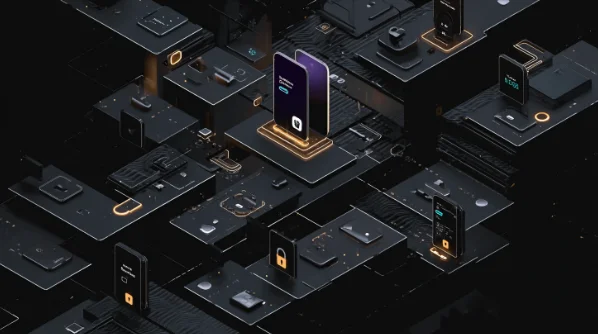
Multiple independent security layers work together creating defense-in-depth protection where compromise of single layers doesn't result in complete security failure.
Device-Level Security
Hardware wallet PIN codes provide first-line protection against unauthorized device usage. Users must enter correct PINs on hardware devices before applications can access cryptographic functions, protecting against physical device theft scenarios. Limited PIN attempts prevent brute-force attacks, with devices permanently locking after excessive incorrect entries requiring recovery procedures using seed phrases. This PIN protection ensures physical device possession alone provides insufficient access without PIN knowledge.
Secure element chips storing private keys implement sophisticated anti-tampering protections detecting and responding to physical attack attempts. These specialized processors resist various attack techniques including voltage manipulation, clock glitching, and side-channel analysis designed to extract cryptographic material. The Ledger Live security depends on these hardware protections maintaining key isolation even against sophisticated laboratory-grade attacks by well-funded adversaries.
Application Security
Application-level protections include encrypted local data storage, secure communication protocols, and optional access controls. Encrypted databases protect portfolio information, transaction histories, and application settings stored on user devices. Optional application passwords or biometric authentication on mobile devices add access control layers preventing unauthorized application usage on shared or stolen devices, though these protect only application access not underlying private keys secured in hardware.
Code signing and regular security updates maintain application security over time. Digital signatures ensure users install authentic Ledger software without malicious modifications. Regular updates deliver security patches addressing discovered vulnerabilities, with automatic update mechanisms ensuring users benefit from latest protections without manual intervention requirements.
Is Ledger Live Safe Compared to Other Wallets
Comparative security analysis reveals how Ledger Live's hardware integration provides superior protection versus software-only alternatives.
Ledger Live vs Hot Wallets
Hot wallets storing private keys on internet-connected devices face fundamentally different threat models than hardware wallet solutions. Software wallets remain vulnerable to malware, keyloggers, and remote access attacks that can extract private keys from computer memory. The is Ledger Live safe comparison with hot wallets reveals substantial security advantages from hardware key isolation preventing these attack categories entirely.
Even reputable software wallets implementing strong encryption and security practices cannot match hardware wallet protection against sophisticated malware. Viruses with system-level access can potentially monitor decryption processes, extract keys from memory during operations, or modify transaction details before signing. Hardware wallet isolation prevents these attacks through cryptographic operations occurring within tamper-resistant hardware rather than vulnerable computer environments.
Why Hardware Integration Matters
Hardware integration transforms security from software-only protection depending on host system security to cryptographic isolation independent of host compromise. This architectural difference provides security assurance even for users with limited technical expertise unable to perfectly secure complex computer systems. The Ledger Live safety model acknowledges realistic security capabilities of average users designing systems that remain secure despite host system compromise through malware or user errors.
Ledger Live Safety Best Practices
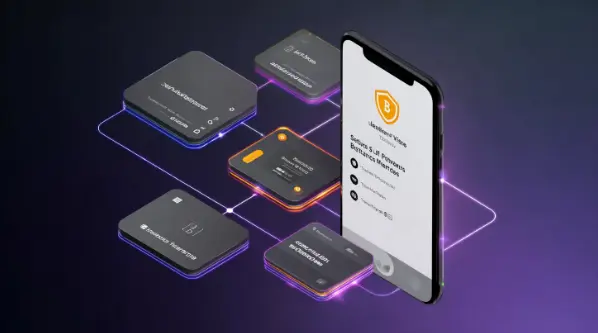
Following security best practices maximizes protection beyond platform's built-in security features through proper usage and operational discipline.
Download from Official Sources
Obtaining software exclusively from official sources prevents malware installation through counterfeit applications. Always download from ledger.com or official app stores verifying publisher identity before installation. Third-party sites distributing modified versions might include malicious code designed to steal cryptocurrency through various attack techniques. This simple practice prevents entire attack categories targeting users through software distribution channels.
Keep Software Updated
Installing updates promptly maintains current security protections addressing discovered vulnerabilities. Automatic update settings ensure continuous security currency without manual monitoring requirements. How safe is Ledger Live depends partly on using current versions incorporating latest security patches rather than outdated releases with known vulnerabilities attackers actively exploit.
Use Strong Device PIN
Selecting complex hardware wallet PIN codes protects against unauthorized device usage if hardware is lost or stolen. Avoid simple patterns or easily guessed numbers instead using random PIN combinations that are difficult to guess but memorable enough to recall. Strong PINs combined with limited attempt restrictions create robust physical security protecting against device theft scenarios.
How Safe Is Ledger Live: Potential Risks
Understanding remaining risks despite robust security helps users maintain appropriate caution and implement complementary protective practices.
User Error Risks
The largest security risks stem from user errors rather than platform vulnerabilities. Sharing seed phrases with others, falling for phishing attempts requesting seed phrase disclosure, or failing to verify transaction details before approval can compromise holdings despite platform security. User education and careful operational practices complement technical security protecting against these human-factor vulnerabilities.
Phishing Attempts
Phishing attacks attempt to trick users into revealing sensitive information through fake websites, emails, or messages impersonating Ledger support. The Ledger Live security cannot protect against users voluntarily disclosing seed phrases to attackers. Maintaining awareness that legitimate support never requests seed phrases and verifying communication authenticity prevents falling victim to these social engineering attacks.
Maximizing Your Ledger Live Safety

Combining platform security with sound operational practices creates comprehensive protection maximizing cryptocurrency holdings safety.
Regular security reviews verify continued protection including confirming secure seed phrase backups, checking device firmware currency, and reviewing account activity for unauthorized transactions. Periodic security assessments identify and address potential vulnerabilities before they're exploited. Education about evolving threats maintains awareness enabling recognition of new attack techniques as they emerge.
Related Security Guides
Frequently Asked Questions
Yes, when used properly with Ledger hardware wallets. The mandatory hardware integration ensures private keys remain isolated in secure elements resistant to software attacks. Downloading exclusively from official sources and following security best practices maintains robust protection.
Very safe due to hardware wallet requirement preventing private key exposure to computers. Even complete system compromise cannot directly extract keys secured in tamper-resistant hardware. This architecture provides superior security compared to software-only wallets.
Hardware wallet integration, no private key storage in software, open-source transparency, regular security audits, encrypted communications, and multiple independent security layers create defense-in-depth protection against diverse attack vectors.
While software can theoretically contain vulnerabilities, hardware wallet integration prevents direct private key theft even if application is compromised. Hackers would need physical device access and PIN knowledge to steal funds, making remote attacks ineffective.
Through mandatory hardware wallet usage ensuring private keys never leave secure element chips, transaction verification on trusted device displays, encrypted data storage and communications, and regular security updates addressing discovered vulnerabilities.